
LitBuy Sneaker Comparison Under $50: Three Listing Examples
Compare two Air Force 1 listings and one Gel-Kayano 14 listing below a $50 item budget. Review recorded prices, budget headroom and available QC counts.
A useful under-$50 shortlist should tell you what each listing costs, what information it provides and what still needs checking. This comparison uses two Air Force 1 entries and a Gel-Kayano 14 entry from the same catalogue snapshot. It compares item records and budget headroom, not tested comfort or a quality ranking.
The white-and-red Air Force 1 leaves the most room in a $50 item allowance. The blue Air Force 1 offers a different colour at a higher recorded price. The Gel-Kayano 14 adds another model family, but has no supplied QC count. Choose a candidate by the look you want, the available size evidence and your delivered budget.
Three real listings, with two different model families
The three entries below all have recorded item estimates below $50. They are selected to show more than three colours of one model. The white-and-red and blue entries are named Air Force 1 variants; the third is named ASICS Gel-Kayano 14 Mouse Grey.
Use the photographs to compare the listed appearance, then read the price and photo-count columns. The two Air Force 1 records have supplied QC counts; the Gel-Kayano record does not. That difference identifies available information, not which shoe will feel better on your foot. The images displayed here are catalogue images, not the counted QC photographs.
| Product record | Reference item price | QC photos recorded | Next detail to confirm |
|---|---|---|---|
 Nike Air Force 1 Low Supreme White Red Sneakers Nike Air Force 1 Low Supreme White Red Sneakers | ~$28.17 ¥202.80 | 6 | Confirm the selected white/red option and its size chart. |
 Nike Air Force 1 '07 Virgil Blue Sneakers Nike Air Force 1 '07 Virgil Blue Sneakers | ~$34.83 ¥250.80 | 4 | Compare the blue option and the available label photos. |
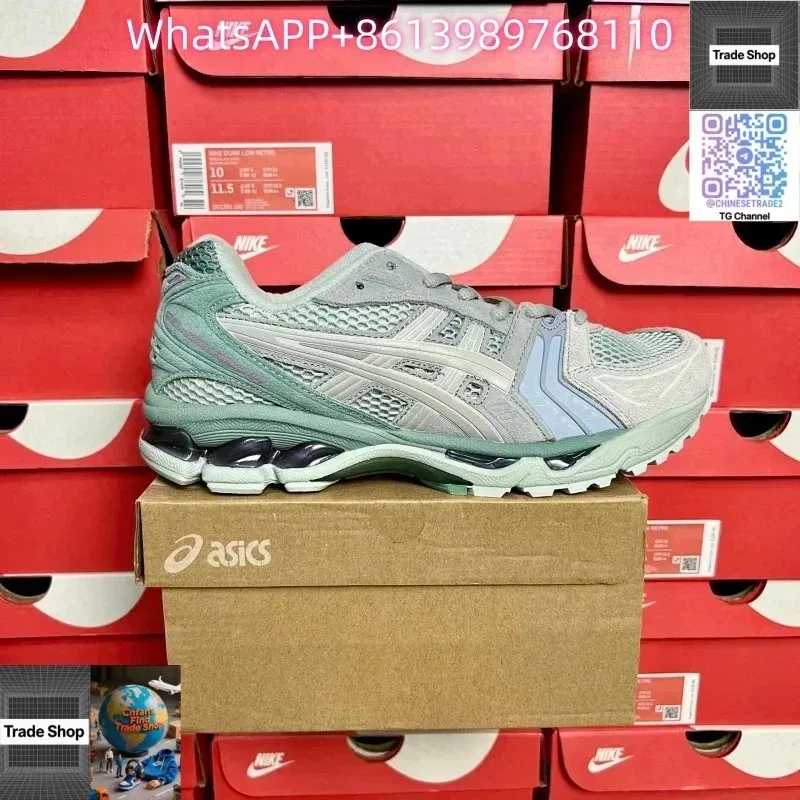 ASICS Gel-Kayano 14 Mouse Grey Sneakers ↗ ASICS Gel-Kayano 14 Mouse Grey Sneakers ↗ | ~$41.39 ¥298 | Not supplied | Request size guidance and actual images for this seller option. |
How much room does each item leave below $50?
Subtract each item estimate from $50 before planning anything else. The result below is the space remaining in that allowance, not a delivery estimate. It does not allocate international freight, domestic delivery or payment charges.
The order of these three records is a budget comparison. A preferred model or colour can justify investigating a more expensive item, but the higher amount does not establish a comfort or quality improvement. If your $50 limit must cover delivery as well, the remaining amount must also accommodate all applicable extras.
| Catalogue record | Item estimate | Remaining allowance |
|---|---|---|
| Nike Air Force 1 Low Supreme White Red Sneakers | ~$28.17 | $21.83 |
| Nike Air Force 1 '07 Virgil Blue Sneakers | ~$34.83 | $15.17 |
| ASICS Gel-Kayano 14 Mouse Grey Sneakers | ~$41.39 | $8.61 |
The centimetre number on a shoe label is not foot length
Nike’s official footwear chart distinguishes its CM/JP label from measured foot length. That is a useful warning against choosing a size simply because two numbers look alike. Its measurement instructions use both feet and the longer measurement.
Write down your measured length and the sizing system used by the listing, such as US men, US women, UK or EU. Then ask for the chart that applies to that exact shoe and seller option. A brand chart is a reference for that brand’s retail sizing; a matching model name on an independent listing does not establish an identical fit.
If you receive an insole measurement, label it as insole length. Do not place it in a foot-length column and compare the numbers as if they described the same thing. The useful question is whether the seller can connect your measurement to an available size.
Look for photos that resolve a question
For these entries, useful images would show both size labels, the toe shape from above, the heel from behind and the outsole. Those views help you spot an obvious mismatch or visible damage. They cannot establish cushioning, comfort after walking or long-term durability.
Check whether the images belong to the selected colour and version. A clear photo of the wrong pair is less useful than a small number of relevant photos. If the record only supplies a count, follow the full listing to find out whether the images are accessible before treating QC as a reason to choose it.
A complete budget example, with the unknowns left visible
Suppose your limit is $50 delivered and you are considering the white-and-red entry at its recorded $28.17 item estimate. You have $21.83 left before any other charges. In a fictional checkout calculation, an additional $12 for delivery and $3 for other applicable charges would bring the total to $43.17. If delivery were $20 instead, the total would become $51.17. These are examples to show the arithmetic, not shipping estimates for this product.
Run the same hypothetical additions against the blue entry at $34.83. With the first set of extras, the total would be $49.83; with the second, $57.83. The same delivery uncertainty changes whether the shoe fits a strict delivered budget. That is why an under-$50 item list cannot promise an under-$50 order.
Do not solve an unknown by choosing whichever estimate produces the answer you want. Record a quote when available and identify the assumptions attached to it, such as the number of items in the parcel and the packaging. If you have only a provisional figure, keep the result provisional too.
A useful final comparison shows the selected item amount, quoted extras and remaining allowance on one line. Recheck it after changing size, quantity or shipping arrangement. A low price on the catalogue card is only the first part of that calculation.
| Illustrative total | White-and-red entry | Blue entry |
|---|---|---|
| Recorded item estimate | $28.17 | $34.83 |
| With hypothetical $12 delivery + $3 other charges | $43.17 | $49.83 |
| With hypothetical $20 delivery + $3 other charges | $51.17 | $57.83 |
Turn your fit history into a useful question
Before asking whether a shoe is true to size, describe the pair that currently fits you and what you like or dislike about it. A size label without the sizing system is incomplete: US men and US women are separate columns on Nike's chart, alongside UK and EU. Record the system as well as the number.
Then separate length from the rest of the fit. If your current shoes feel long enough but narrow at the front, simply asking for a larger size may not address the issue. Tell the seller where you need room and ask which measurements or width options are available. We cannot infer the width or internal shape of these listings from their directory titles.
Use measurements taken in a repeatable way. Keep the units consistent, record both feet, and save the chart you used. Nike's published method uses the longer foot when referring to its own size chart. That does not establish how an independent seller's stock was made; the seller still needs to identify the option corresponding to the information you provide.
A productive question is specific: “My longer foot measures [length] cm. Which available size on this exact listing corresponds to that measurement, and can you show the relevant chart?” The answer may still leave fit uncertainty, but it can be checked against something more concrete than “usually wears size 9.”
Compare a QC set as a group of views
Start by identifying the pair, then inspect matching views together. A front view can show the overall toe shape and whether the shoes appear to form a matching pair. A rear view can reveal a visible difference in heel height or alignment. Side views help you follow the upper and sole around each shoe. Label photos help connect the pair to the requested option.
A single photograph is sensitive to angle and lighting. If one toe looks larger, first check whether it is closer to the camera. If the colour appears different across pictures, compare images taken under similar lighting rather than treating one bright frame as a precise colour sample. Ask for a clearer view when the existing image cannot answer the question.
Write down an observable issue: “left size label differs from right,” “mark visible near the outer heel,” or “requested colour not identifiable.” Those descriptions are more actionable than “bad QC.” They also avoid turning an uncertain visual impression into a claim about the product's construction.
Keep comfort and durability outside the photo verdict. A neat exterior does not demonstrate cushioning under your weight or how the shoe will wear after a month. The count displayed in this directory is a route into further inspection, not a substitute for the images themselves and not a test result.
When the box matters to the decision
Think about packaging before comparing the final delivery arrangement. If you intend to give the shoes as a gift or retain their box, make that a requirement. If your main aim is to receive a wearable pair, you may have different packaging priorities. Do not assume a product photograph of a box guarantees the exact packaging that will be shipped.
Ask what is included with the selected option, what packaging choices are actually available, and whether a quoted delivery amount already reflects that choice. Removing or changing packaging should never be treated as a guaranteed saving without a revised quote. The service may calculate a parcel using factors that are not visible on the product card.
This creates a useful comparison question: is the quoted amount for the same pair, the same quantity and the same packaging? If one estimate assumes a shoe box and another does not, label the difference before choosing. Otherwise, what appears to be a cheaper seller may simply be a different delivery arrangement.
A photo of the packed parcel, where available, answers a different question from the product QC images. One concerns the shoes you selected; the other concerns how the contents are prepared for transport. Keep both records if they are relevant to your order rather than assuming that a good-looking product image settles packaging too.
A different model is a different fit question
The Gel-Kayano 14 example introduces another model family, rather than a third Air Force 1 colour. Do not carry over a size choice from the two Nike-labelled entries solely because the US number looks the same. Record your foot measurement, the sizing system and the seller’s chart for each candidate.
ASICS publishes a foot-measurement guide for its own footwear. That is useful for taking a repeatable measurement, just as Nike’s guide explains its own sizing labels. Neither document establishes the internal dimensions of this independent seller’s stock. Use brand guidance to describe your feet and ask for the selected listing’s actual size information.
There is a relevant first-person example in the 3.5kg summer share: that buyer rated their Gel-Kayano 14 positively and described it as comfortable. The share does not supply a selected size or establish a seller match to this mouse-grey catalogue record. It is useful context for the model family, not evidence that this listing delivers the same pair or experience.
Compare your existing well-fitting shoes too. If you are trying another silhouette, note where your current pair has enough room and where it feels restrictive. The next question should concern those fit needs, rather than turning a buyer’s comfort comment into a universal recommendation.
What to do when the information conflicts
A common unresolved case is a size chart that disagrees with a measurement photo. First establish whether the chart describes a body measurement, an insole or the seller's recommended size. Then check whether the photo shows the selected size and where the tape starts and ends. Numbers with different definitions cannot resolve each other.
Another case is a catalogue title or image that differs from the live option. Use the discrepancy as a reason to pause the comparison. Ask which version will be supplied and save the reply with the option. Do not assume the most attractive image on the page describes every selectable variant.
A third case is a price that changes after opening the link. Select the intended size and colour again, check quantity, and compare the same currency. If the live amount still differs, use the live selected price for the decision and regard the catalogue figure as an earlier reference. The directory should help you find the listing, not override the transaction you can see.
If a key question stays unanswered, move the pair into a pending group and compare another candidate. That is especially appropriate for fit or a budget limit, where guessing can defeat the purpose of buying an inexpensive pair. The useful outcome is a choice supported by enough information, even when that means rejecting a visually appealing entry.
Which listing is worth opening first?
If you like the white-and-red design, begin with that entry because it leaves the largest recorded allowance in this selection. If the blue colour is the requirement, compare that exact option and its sizing evidence. If you want the Gel-Kayano shape, investigate its seller chart and photos before treating the missing QC count as either a positive or negative verdict.
Keep three fields separate as you narrow the list: preferred appearance, confirmed size option and the provisional delivered amount. A candidate remains pending when one of those cannot be established. This gives you an actionable shortlist without pretending that the directory has worn or inspected the shoes.
The Denmark first-order share adds a separate packing example: its buyer liked the ordering process but reported missing packing services. It concerns a different order and different shoes. Read it when deciding which packing requests to save, not as a shipping quote or product review for these entries.
Related collections
Browse LitBuy records with reference item prices below $20. Check the live seller option before buying; delivery and checkout charges are separate.
LitBuy Products with QC CountsBrowse LitBuy listings with a recorded QC photo count above zero. Open the exact product to check its images; the count is not a quality rating.
References & sources
External references support the specific sizing, material or terminology explanations in this article. Worked examples are our own calculations. None of these publishers has assessed or endorsed the products in this directory. Sources reviewed: 2026-10-14.
- Nike — Men’s Footwear Size ChartDistinguishes CM/JP shoe labels from foot length and describes measuring both feet.
- Blue sneaker catalogue entryReference item data; no physical wear testing.
- White-and-red sneaker catalogue entryReference item data; no physical wear testing.
- Catalogue price methodologyExplains reference conversion and excluded costs; all three listing links appear in the comparison table.
- ASICS — How to Measure Your Shoe SizeMeasurement method for ASICS retail footwear; not confirmation of an independent listing’s fit.
Keep exploring
LitBuy Jeans Fits: Straight, Tapered & Baggy Compared
Compare straight, tapered and baggy jeans through rise, thigh room, inseam and hem width. Use the worked measurements to choose a silhouette before a size.
Read articleHow to Compare LitBuy Listings: Links, Prices & Options
Learn to compare the same product option across LitBuy listings: source links, price basis, measurements and QC evidence. Use the checklist to identify missing information.
Read article